


How You Were Taught to Spend (And Why It Keeps You Behind)
For most individuals and business owners, the financial life cycle follows a familiar pattern: income is earned, taxes are paid, expenses are covered, lifestyle upgrades follow, and whatever remains is allocated toward investments or charitable giving.

On the surface, this appears responsible and well-structured.
In practice, it is fundamentally inefficient.
By the time capital reaches the investment stage, it has already been reduced through taxation and consumption. Decisions are made after the fact—after income is realized and obligations are satisfied—leaving limited room for strategic allocation. This leads to higher effective tax exposure, reduced control, and slower compounding over time.
This is not a failure of effort. It is a reflection of how financial behavior is commonly taught.
By contrast, high-net-worth individuals and family offices operate with a different sequence. Capital is first allocated and structured – often through entities such as private foundations – before it becomes fully exposed to taxation. Under frameworks aligned with Internal Revenue Code Section 170, when applied appropriately, capital can be redirected into a tax-exempt or tax-advantaged environment and then deployed intentionally.
This is where private foundations introduce a powerful layer.
A foundation is not simply a vehicle for giving. It is a structured environment where capital can be:
- invested and compounded over time
- partially distributed through grants (with minimum requirements)
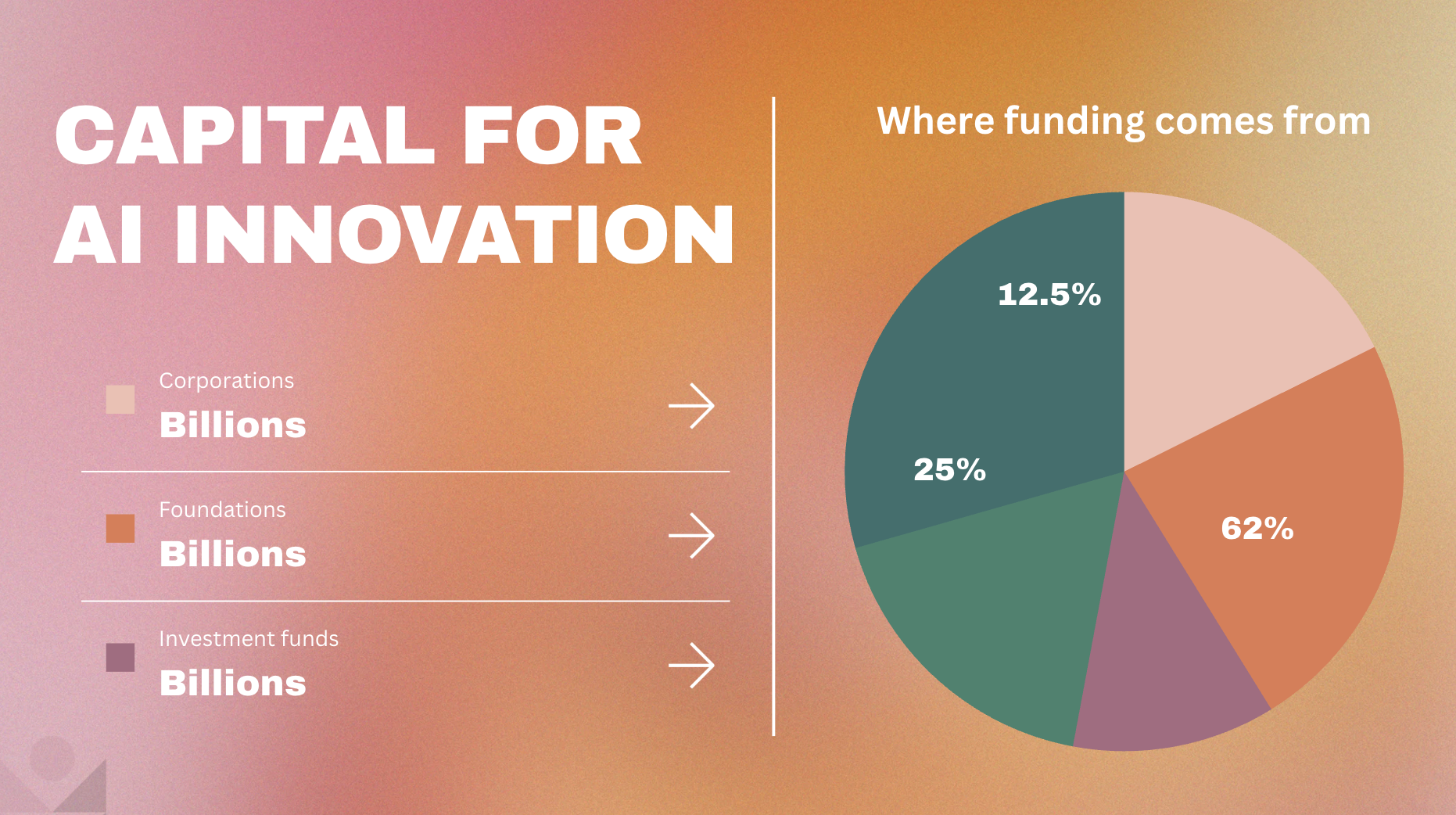
- strategically allocated across initiatives, including emerging areas like AI and innovation
The majority of the capital remains invested, allowing for long-term growth, while a portion is deployed to shape outcomes and create impact.
This dual function—compounding and distribution—is one of the key reasons wealthy families consistently utilize foundations as part of their overall financial architecture.
The difference, again, is not income.
It is structure, timing, and control.
Next Step
If you’re interested in exploring how a private foundation could integrate into your business, estate, or financial portfolio:
👉 Visit private-foundations.com
👉 Schedule a complimentary consultation to map out a customized structure
Conclusion:
The most effective financial strategies are not built on earning more—they are built on structuring capital early, allowing it to compound, and directing it with intention.
Thanks for reading,
Sid Peddinti, Esq.
#taxreduction #lowertaxes #increaseinvestment #flowofmoney #private-foundations


Leave a Reply